

Albariño
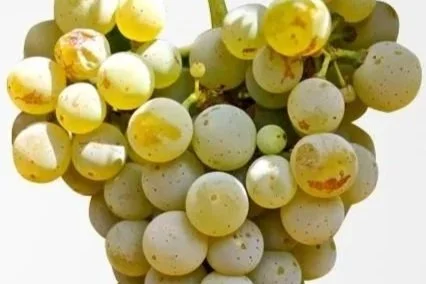
White wine grape
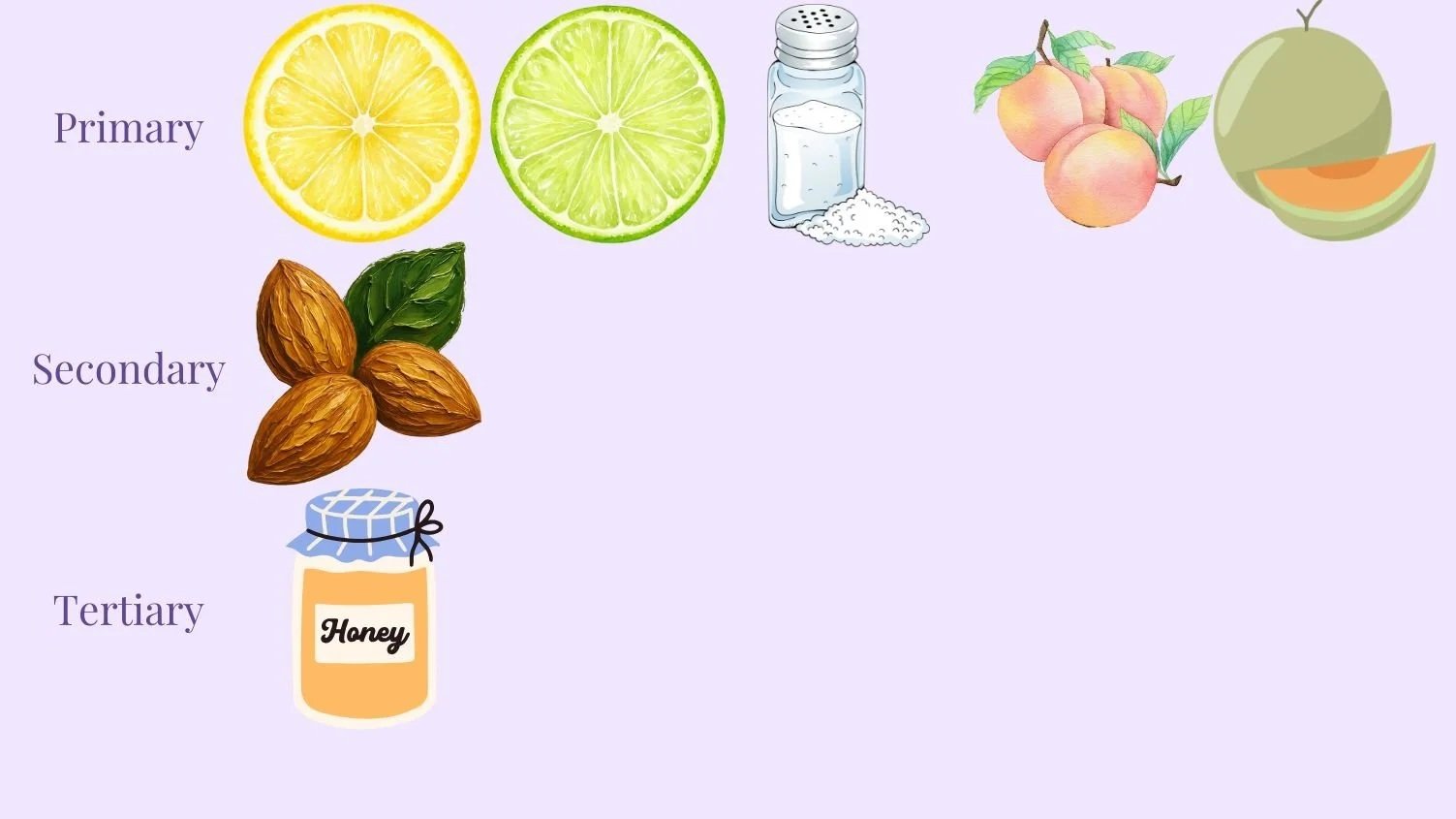
Citrus, stone fruit, nutty
Vast majority of plantings in Spain and Portugal
Also known as Alvarinho
Flavours & Characteristics

High in acidity, and an aromatic variety, Albariño thrives in cool climates where its thick skins help against the damp conditions. While the vines are vigorous, the bunches of grapes are small in yield by comparison. It is still susceptible to mildew and rot though, but planting on good draining soils or higher vine training - which is especially popular in Portugal - alleviates this issue.
Albariño is made to be drunk young (the best example of that being in Vinho Verde), but ages well too, with winemakers using barriques or stainless steel to age wine with equally excellent results. Albariño produces wine that exhibits flavours of citrus fruits as well as melon and nectarine, there is usually a deliciously savoury, saline note to it too. Owing to its usual proximity to the coast, Albariño is a brilliant pairing for seafood, white meats or herby dishes and green salads.
Where in the World?
Albariño or Alvarinho? For fairness’ sake, let’s go with Albariño as it’s listed first alphabetically, although there is debate as to who discovered it first; this white grape varietal is an important ingredient in northwestern Iberian winemaking on both sides of the Spanish and Portuguese border. This grape accounts for nearly five and a half thousand acres in Spain and around three thousand hectares in Portugal; Albariño is grown elsewhere in the world too, yet not on the same scale as in its spiritual home.
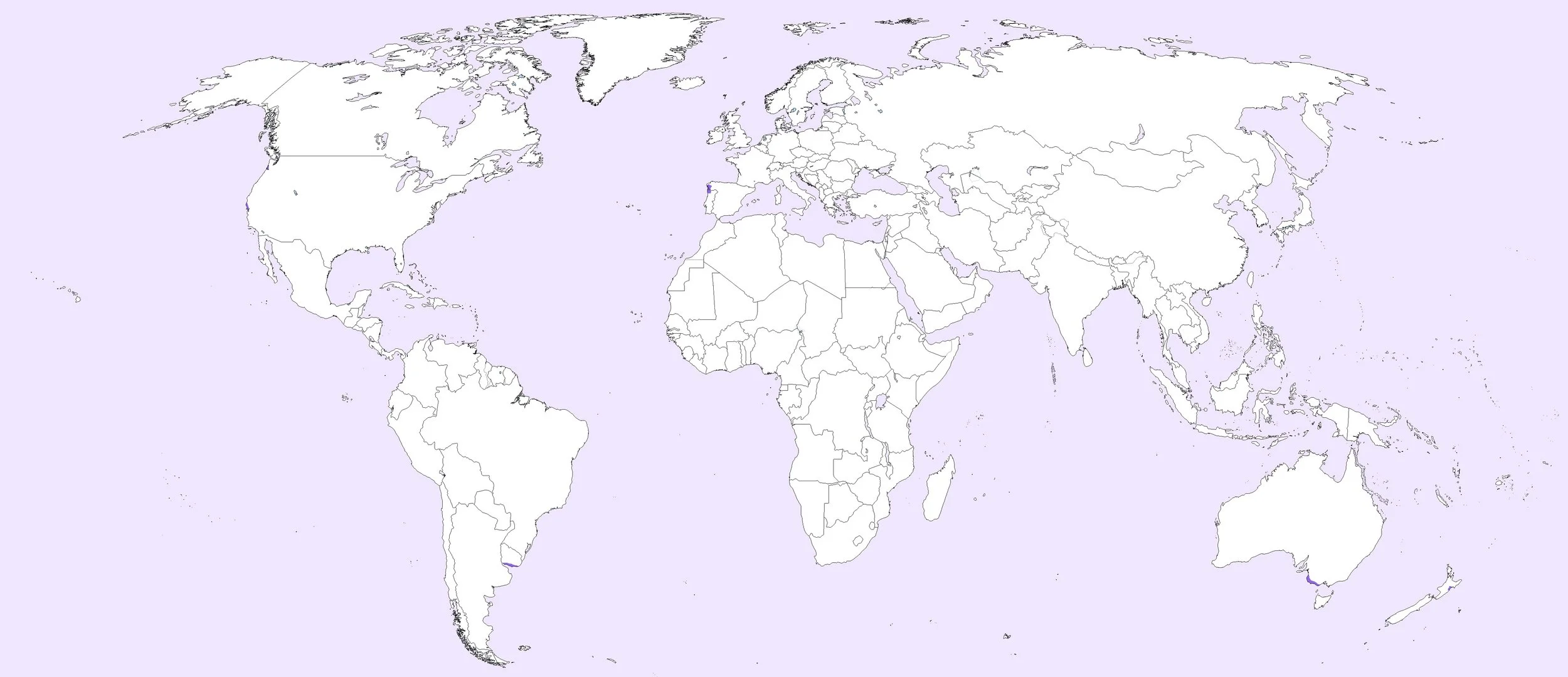
In Galicia, Rias Baixas D.O. (Denomination of Origin) is famed for producing Spain’s best Albariño. Made up of five sub regions, it is an area with a cool climate owing to its proximity to the Atlantic, and is rich in mineral soil types. Nicknamed Green Spain, it has more rainfall than Manchester.
Across the border in Northern Portugal, Vinho Verde is a wine region made up of nine different sub regions lying in close proximity to the Minho river. Alvarinho is used in blends and on its own to produce the area’s signature ‘green wine’, so named, historically, after the youthful condition of the wine when it was shipped. The most northerly sub-region, Monção, produces the country’s most expressive Alvarinho. Elsewhere, Albariño is grown in cooler parts of Southern France, New Zealand, Australia. USA and Uruguay.
