

Pinot Noir
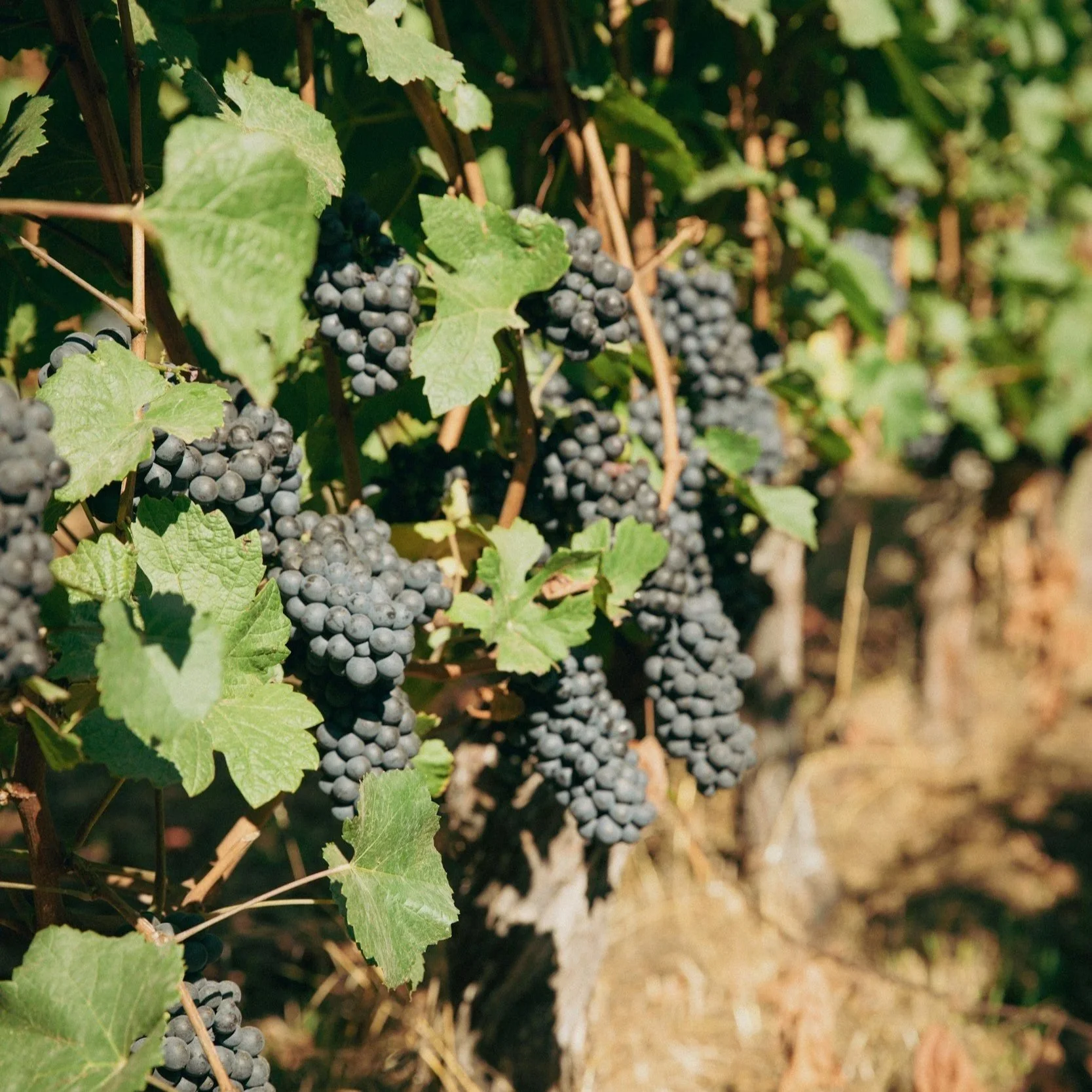
Red wine grape
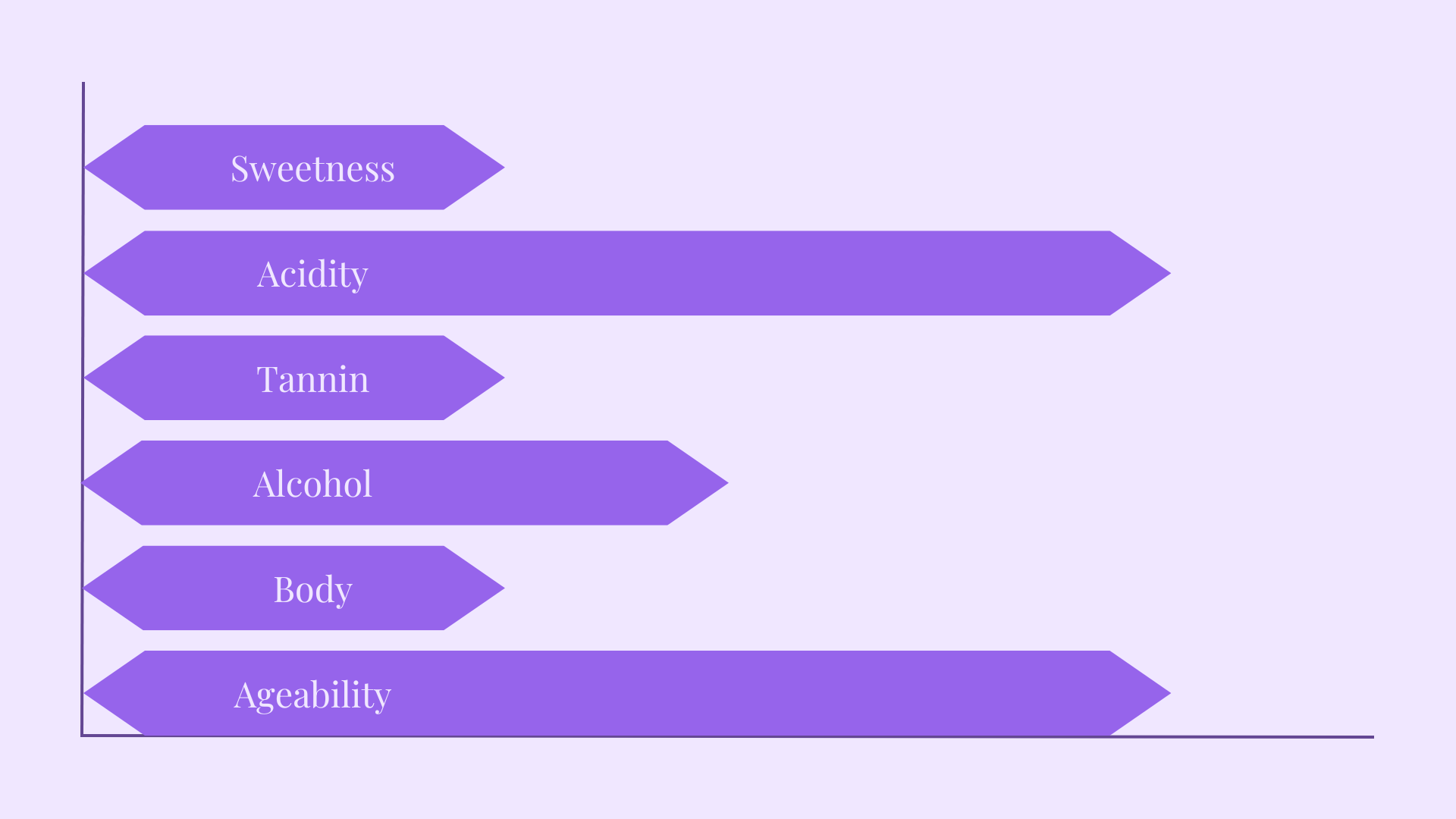
Thin skinned grape
Lighter bodied wine
Found in most grape-growing countries across the world
Prefers cool climates
Capable of producing some of the worlds’ most premium and ageable wines
Magnificent but mercurial, Pinot Noir, according to Jancis Robinson is ‘capable of producing divinely scented, gorgeously fruity expressions of place but often unwilling or unable to do so’. Growing Pinot Noir is a tough assignment. An early ripening variety, with too much heat Pinot Noir grapes lose their acidity levels over a sustained period of time. Similarly the thin skins mean that picking the grapes late in cool climates - when the wait is on for the correct conditions - the grower runs the risk of autumn rains rotting the fruit and ruining the flavour.
Flavours & Characteristics
Where in the World?
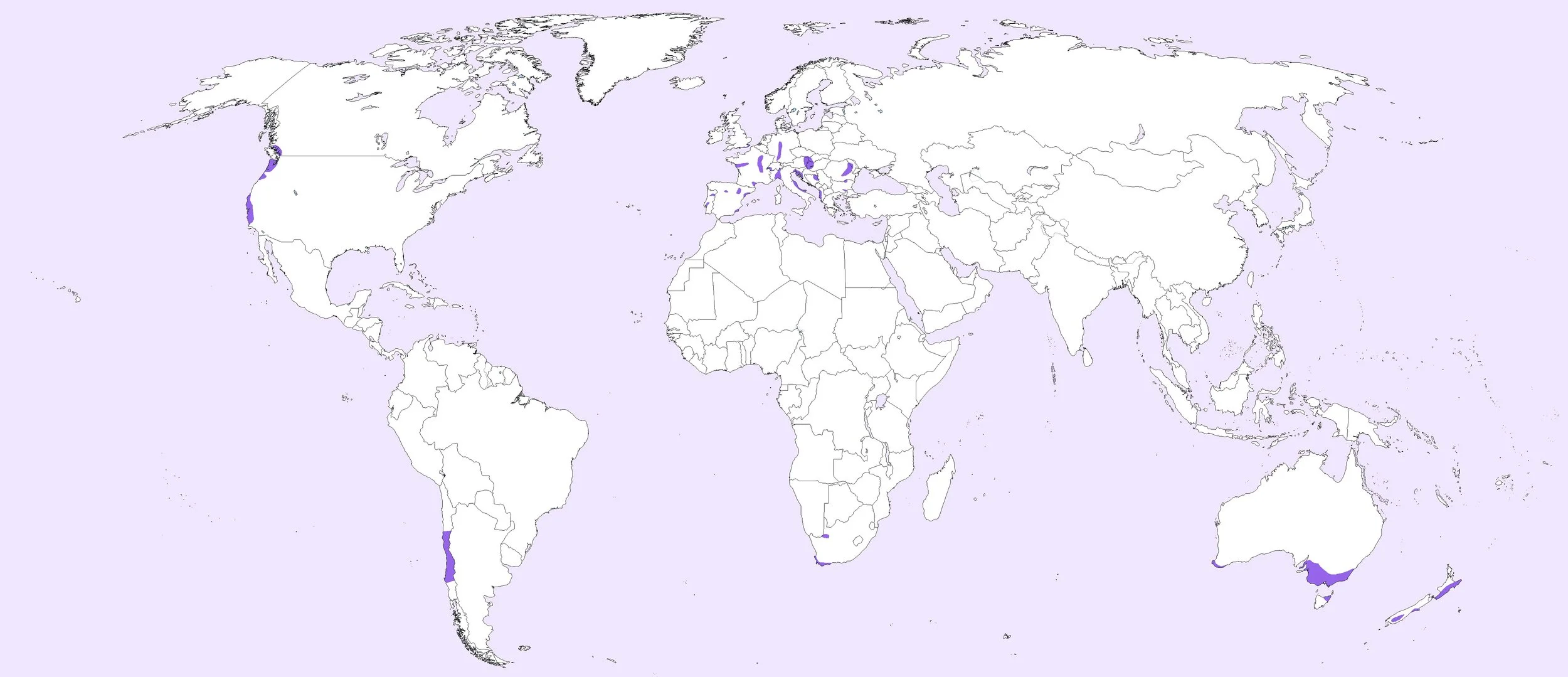
An ancient variety dating back to Burgundy of the Roman times, Pinot Noir keeps inspiring winemakers to try their luck. It is capable of producing simply spellbinding wines that imbue the wine lover with a sense of place and is grown the world over from the Côte de Nuits to Carneros, from the Mornington Peninsula to Martinborough and across the South West of Germany, the North East of Italy and various other places across the globe.And, of course, Champagne and the great sparkling wine styles of the world, England included, owe their prominence to Pinot too.
Styles
Light-bodied red
In Burgundy, there is great variation across the region with, broadly speaking, more delicate, fragrant Pinot Noir from the Côte de Nuits in the north to slightly bolder, more intense wines from the Côte de Beaune further South. In California, Carneros offers fruit forward, robust styles whereas in Oregon, a lighter touch is usually the way of things.Central Otago in New Zealand, Baden in Germany and Victoria in Australia are some of the stand out areas internationally too.
Sparkling Wine
In sparkling wine, Pinot Noir tends to be blended with Chardonnay and Meunier (another black grape) to produce Champagne, as well as other Traditional Method produced sparkling wines around the world. Pinot Noir contributes structure and ageworthiness to blends as well as bringing red fruit flavours.
Rosé
Less significantly, but still important: its delicate structure makes Pinot Noir an ideal candidate for subtle, pale and elegant rosé, with Sancerre in France’s Loire Valley being a prime example.
Food Pairing
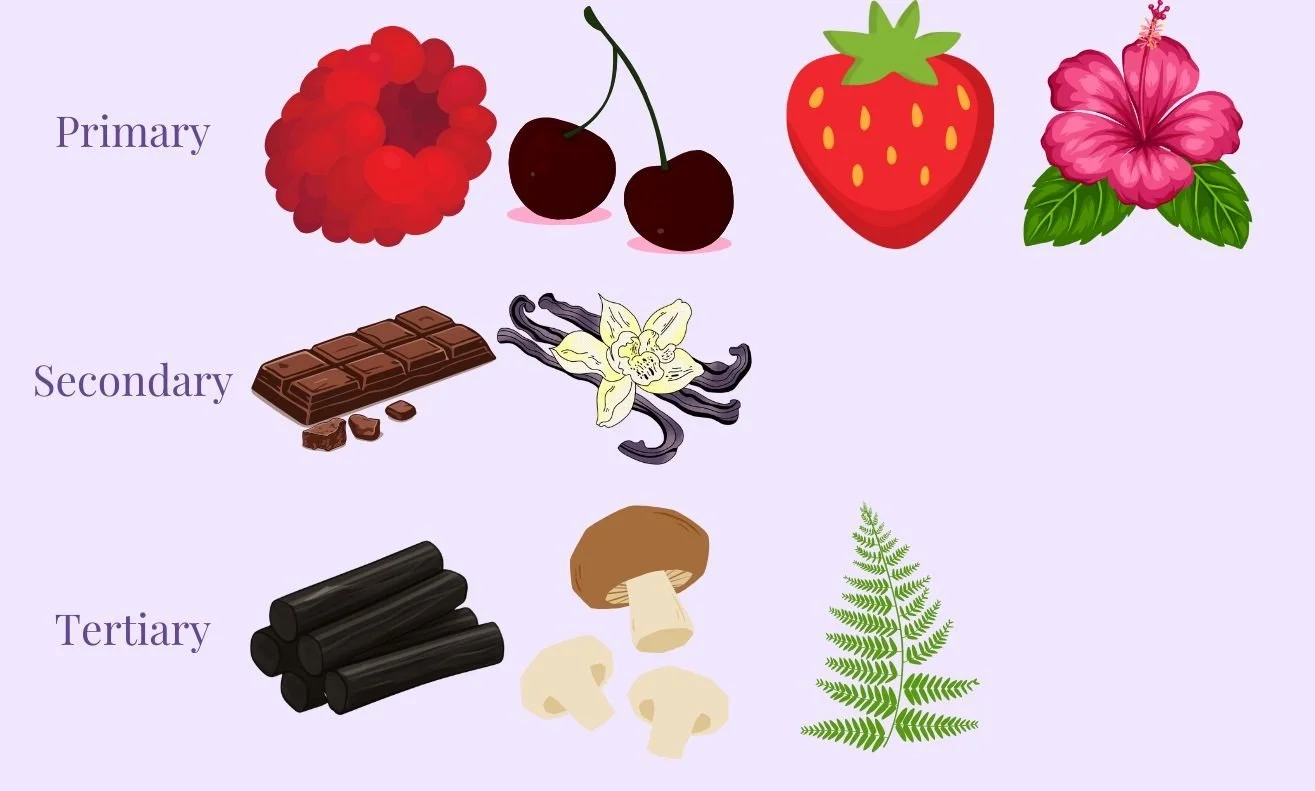
Pinot Noir is a wonderful accompaniment to game dishes, where the grape’s high acidity works well with the fattiness from the meat, it is also a great match for creamy cheeses, such as brie or camembert, where its red fruit flavours and earthiness are well paired. Also, mushroom dishes work well with Pinot Noir too.
