

Cabernet Sauvignon
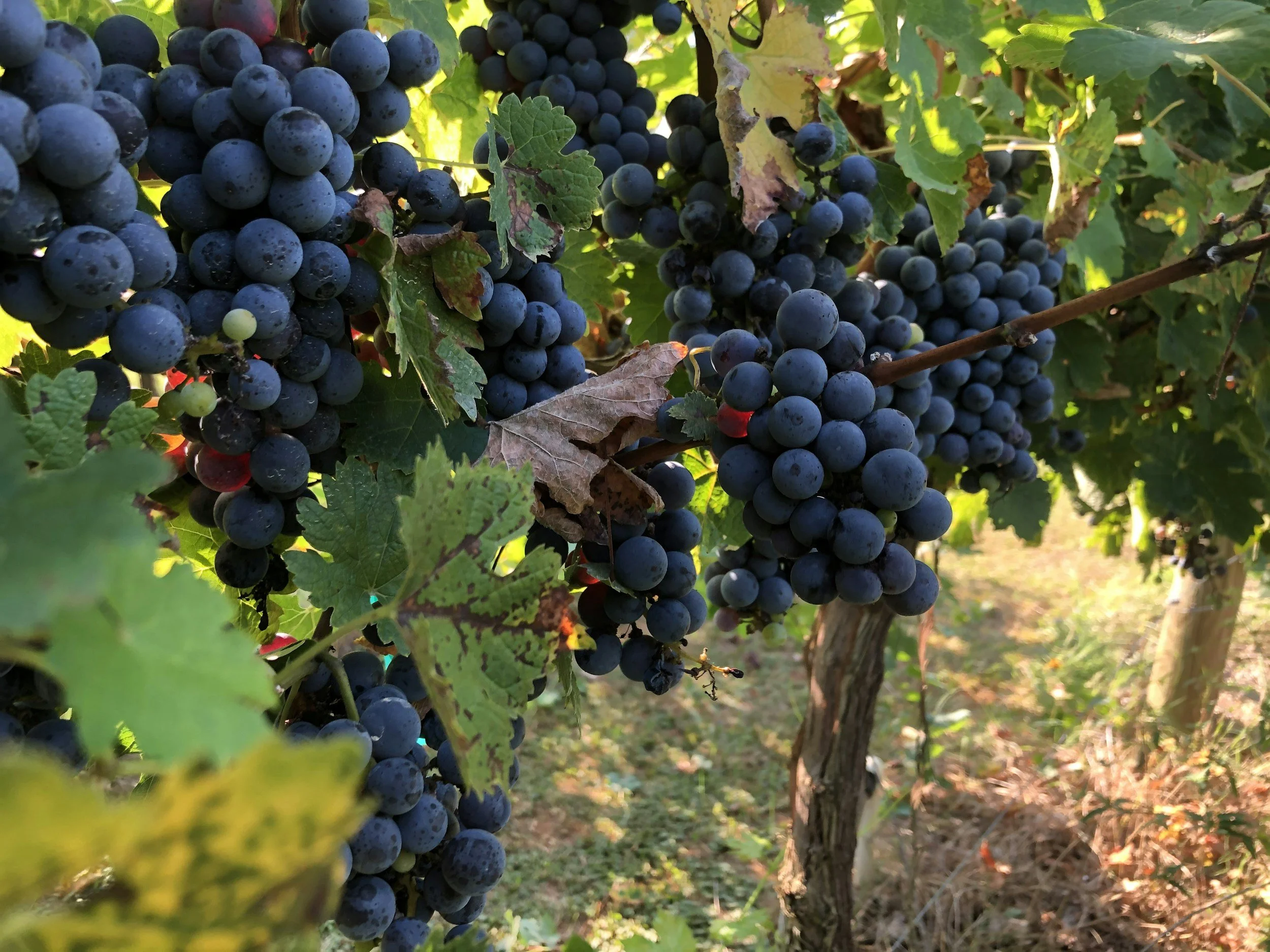
Red wine grape
World’s most planted grape variety
Found in most grape-growing countries across the world
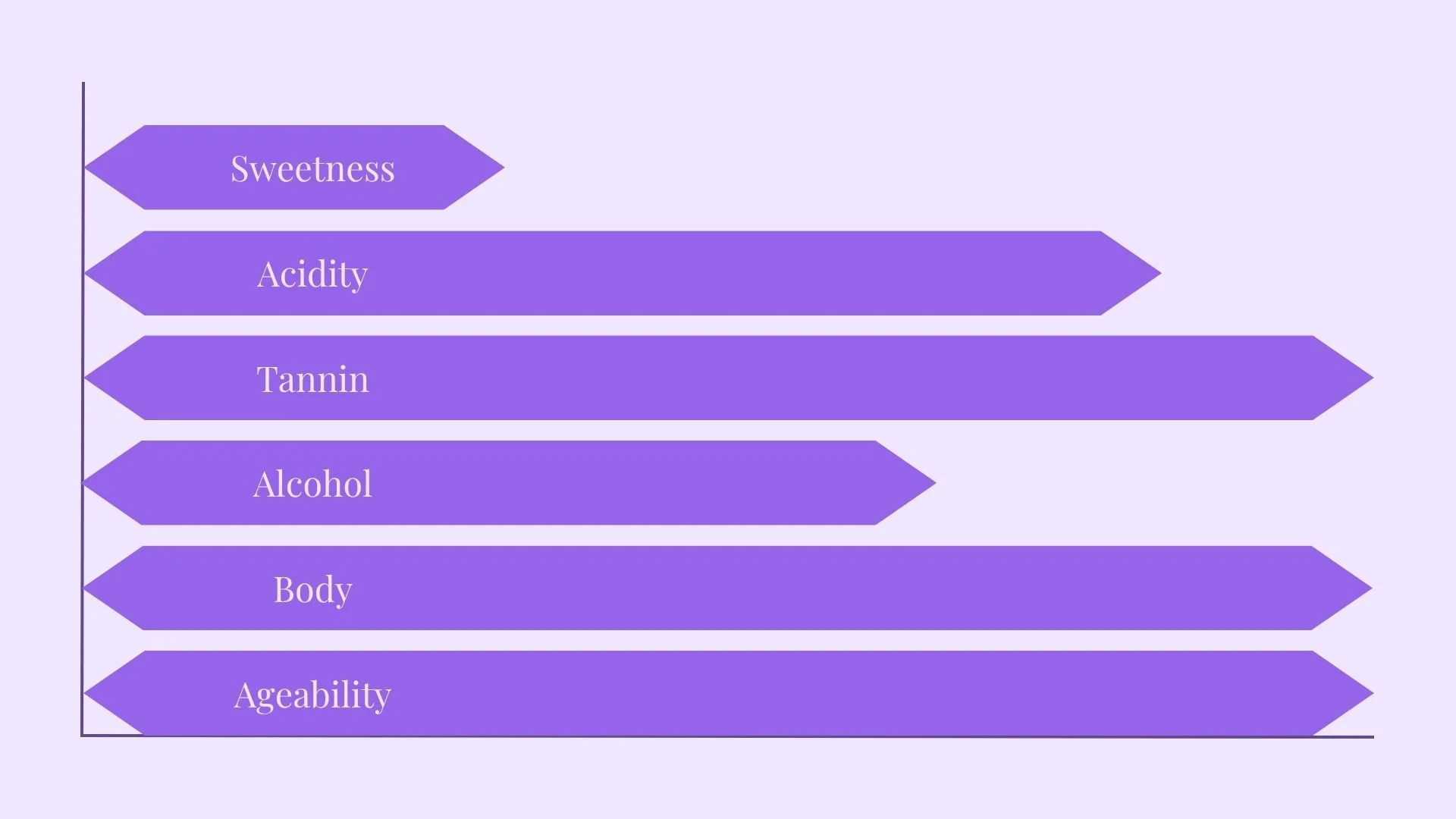
Full bodied with good structure
Prefers warmer climates
Offspring variety of Sauvignon Blanc and Cabernet Franc
Works well with oak and has the ability to age well
Flavours & Characteristics
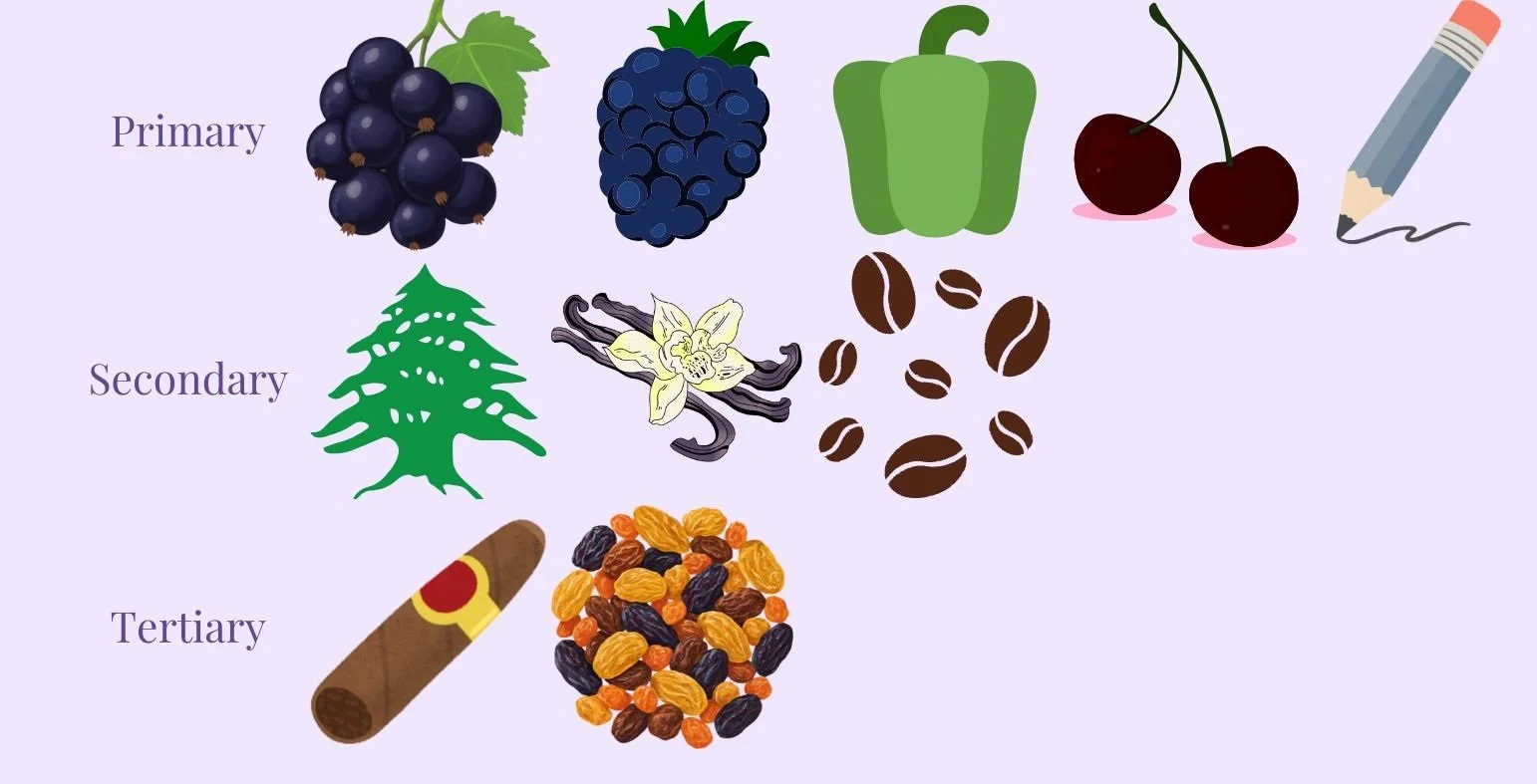
Primary Characteristics - Fruit
On its own, unoaked and young, no matter where in the world it is grown, Cabernet Sauvignon has its signature flavour characteristics. While riper expressions lean heavily towards blackcurrant, less ripe (from cooler climates or early harvested) tend to display flavour profiles including capsicum (green bell pepper) and graphite - traits inherited from its parent grapes Sauvignon Blanc and Cabernet Franc.
Secondary Characteristics - Winemaking Techniques
Thanks to its good structure (acidity, tannin, body), Cab takes well to oak, marrying fruit and barrel flavours together instead of being overwhelmed. Therefore, many mid-priced and above wines will also feature aromas and flavours of cedar, vanilla and coffee, depending on the type and age of barrel used and the level of toasting/charring.
Tertiary Characteristics - Maturation
Another benefit of Cabernet Sauvignon’s nature to be high in tannin and acidity, as well as its affinity to oak, is ageability. It is not uncommon to see reds from the Left Bank of Bordeaux - where Cabernet is the dominant blending partner - released several years after harvest. These wines are likely to be astringent and overly tannic if uncorked too early. Plenty of premium Southern Hemisphere Cabernets are also proving to stand the test of time, producing incredibly complex and sought after reds. Mature Cabernet Sauvignon tends to display flavours such as dried fruit, cigar box, leather and coffee notes from oak developing into a rich mocha.
Where in the World?
Pretty much everywhere. Cabernet Sauvignon grows on every continent (bar Antarctica) appearing in just about every country that produces wine. While Cab does favour warmer climates, you’ll be certain to find a few vines knocking about in cooler wine areas such as Germany and England.
Bordeaux
The natural crossing of Cabernet Franc and Sauvignon Blanc was first documented in Bordeaux in the 18th Century. The deep gravel beds of Bordeaux’s Left Bank (Medoc, Graves and their sub-appelations) are perfectly suited to the variety’s love of free-draining soil. It is rare to find single varietal Cabernet Sauvignon reds from Bordeaux, with the tradition to blend with Merlot and Cabernet Franc (as well as less used Malbec, Carmenere and Petit Verdot). On the Left Bank, wines generally comprise of around 70% Cabernet Sauvignon with Merlot used to plump out the mid-palate and add a softer fruitiness to Cabernet’s bold structure. The clay soils of Bordeaux’s Right Bank are less suited to Cabernet Sauvignon so blends here tend to use more Merlot and Cabernet Franc with Cabernet Sauvignon sometimes omitted completely.
Rest of Europe
Cabernet Sauvignon is found as a single varietal and as a blending component across the rest of Southern Europe with the latter in notable regions such as Rioja and Tuscany. While it is favoured due to it being easy to grow (relative to other, thinner-skinned grape varieties), countries who traditionally use local or indigenous varieties benefit from the addition of Cabernet Sauvignon in the blend - and therefore on the label - making their wines more commercially successful on the international market.
Southern Hemisphere
The variety has also made its mark in the Southern Hemisphere. Bordeaux blends are commonplace in Stellenbosch, South Africa while the soils of Gimblett Gravels in Hawkes Bay, New Zealand (as the name suggests) emulate the conditions of the Left Bank to produce similarly ripe and structured Cabernet Sauvignon. Coonawarra in South Australia tends to produce single varietal Cab with a signature menthol character, with Maipo, Chile and Mendoza, Argentina taking advantage of high altitude to produce some fantastic examples either varietal or blended with Merlot, Carmenere and Malbec.
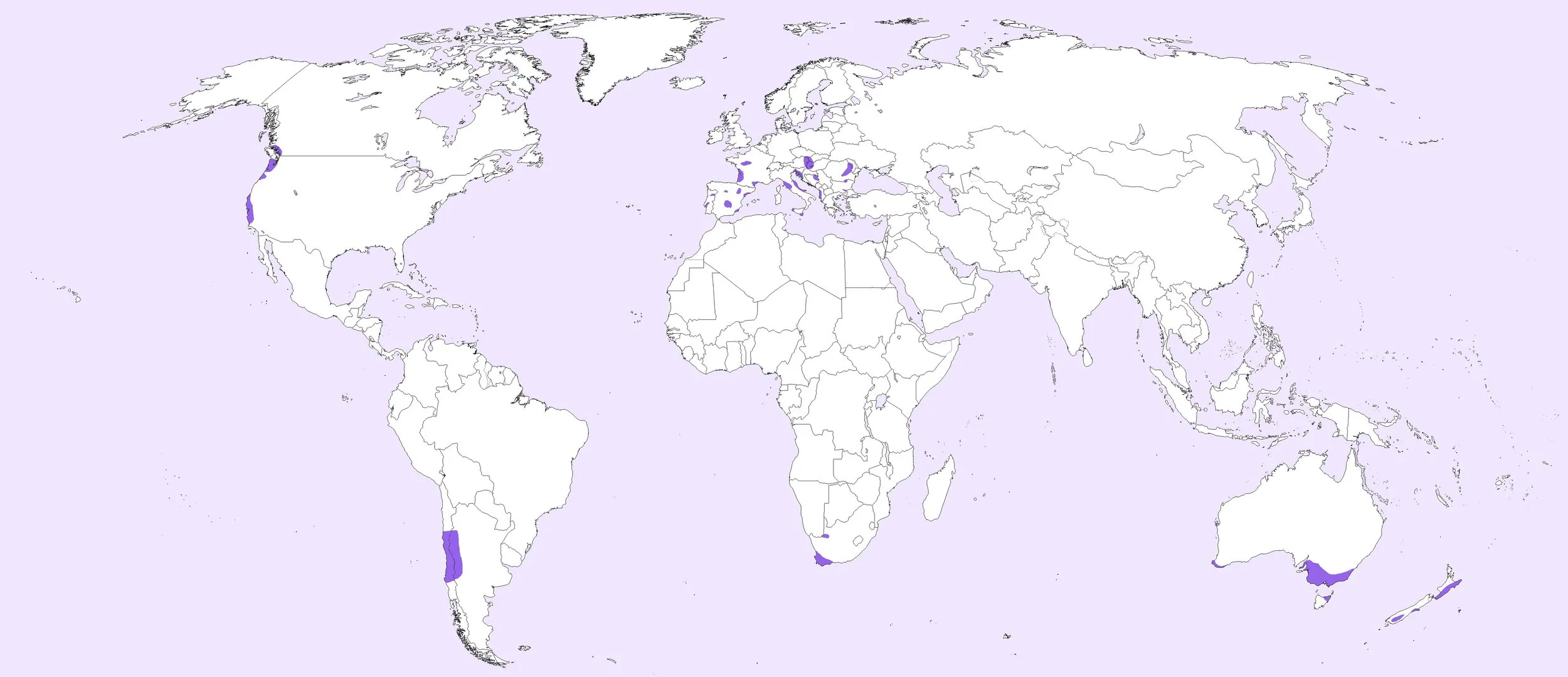
While Bordeaux might be the home of Cabernet Sauvignon, and there’s plenty of wine regions not mentioned above that are producing fabulous reds from this famous grape, the USA ought to get a mention for its Cabernet Sauvignon. Stag’s Leap’s victory at the 1976 Judgement of Paris put Cali Cab on the map with their super-premium wines continuing to stand among their French counterparts.
Food Pairing
With great power comes great potential for food pairings. As previously established, Cabernet Sauvignon is high in tannin, making it ideal for meat and hard cheese; its high acidity cuts through fatty dishes and its flavour profile is deep enough to stand up to the boldest of flavours. Probably best to avoid with fish, pudding or delicately flavoured food.
